Best Jump Cues 2025: Banly 3K Carbon Fiber vs. Dysdensa vs. RAGE Heavy Hitter
Why the Banly 3K Carbon Fiber Break Jump Cue is the Professional Choice
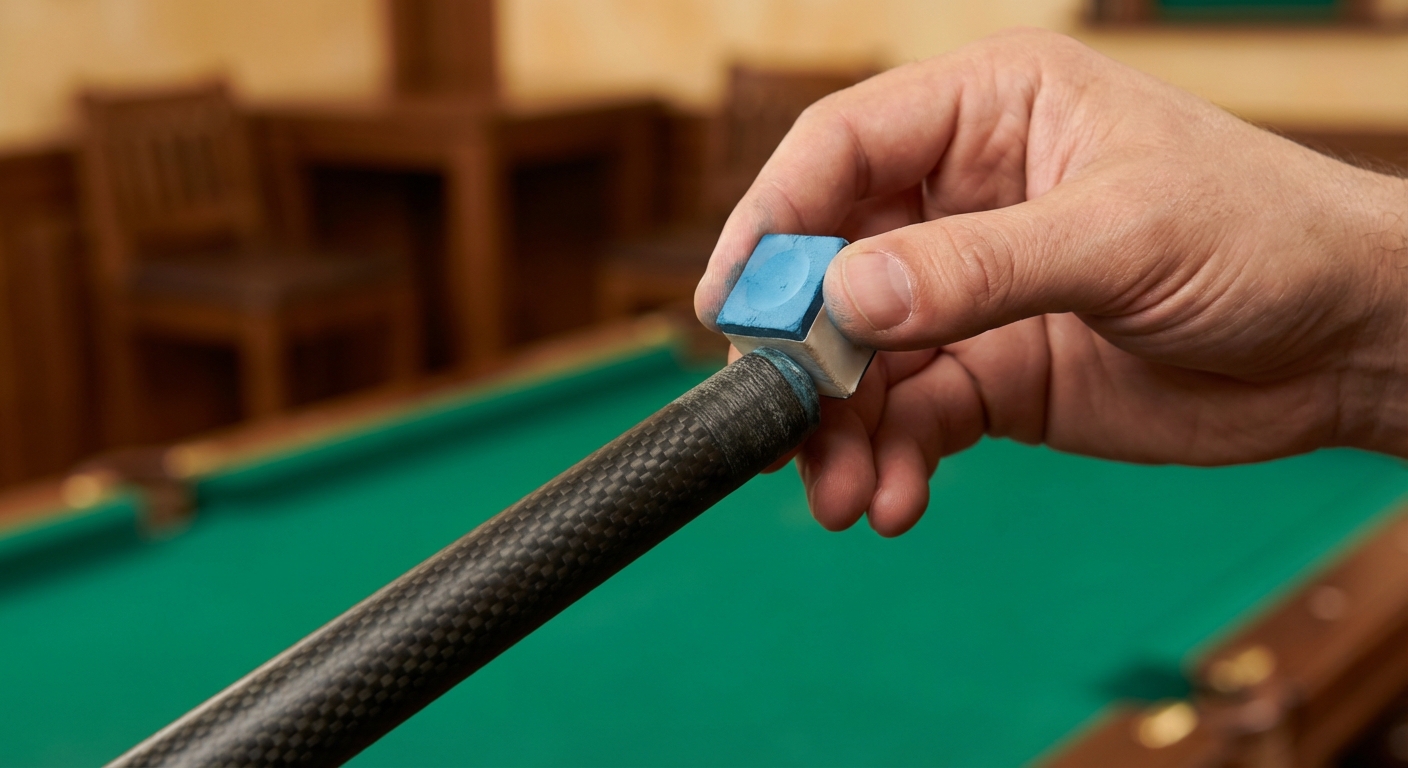
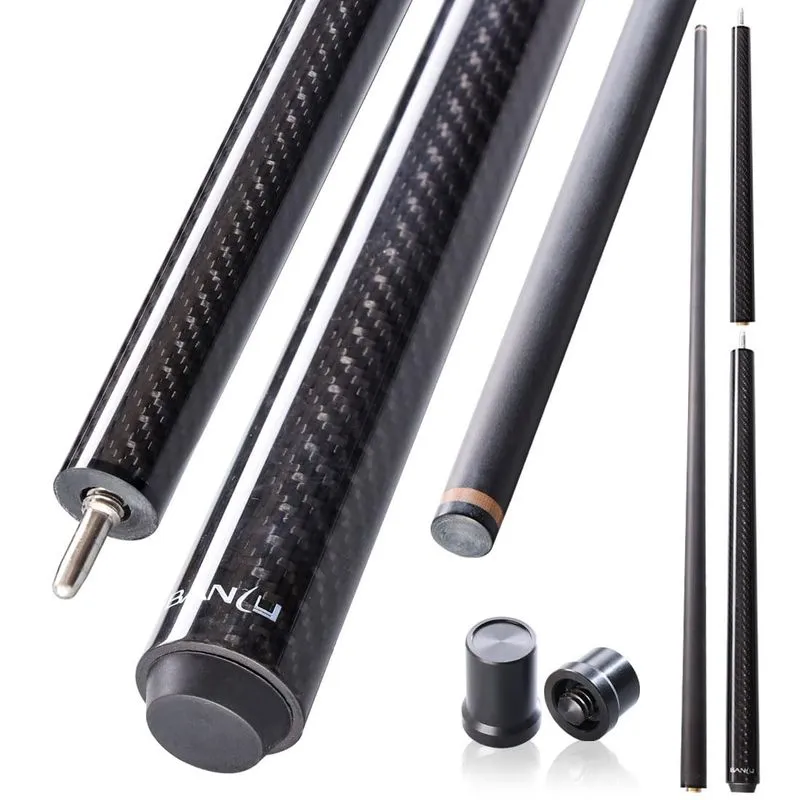
When you’ve spent as much time around a table as I have, you realize that wood isn't always king. The Banly 3K Carbon Fiber Break Jump Cue represents the modern shift in pool technology. It utilizes T700 aerospace-grade carbon fiber, offering stiffness that traditional wood simply cannot match.
Why the Banly 3K Carbon Fiber Material Matters
The main draw here is the shaft construction. Because carbon fiber is stiffer than maple, it transfers more energy from your stroke directly into the cue ball. With a standard 20oz weight, this cue feels incredibly balanced in the hands, allowing for precise cursor control during high-pressure jumps.
The deflection is significantly lower than wood. This means when you aim, the cue ball goes exactly where you expect it to, without "squirming" off the line.
Performance of the 13mm Phenolic Tip
The Banly comes equipped with a 13mm Phenolic tip. Phenolic resin is a composite material that is much harder than leather. This hardness is crucial for jumping because it doesn't absorb energy; it snaps the cue ball off the cloth instantly.
How does a phenolic tip improve jump shots? expand_more
A softer tip absorbs impact, which is great for spin but terrible for jumps. A phenolic tip acts like a hammer. When it hits the cue ball, that energy has nowhere to go but down into the slate, forcing the ball to pop upward. It makes getting air effortless.
Is the Dysdensa 3-Piece Jump Break Cue Stick the Best Value Option?
Not everyone wants to drop hundreds of dollars on a specialty cue, especially if you are just starting to refine your jump game. The Dysdensa 3-Piece Jump Break Cue Stick is my go-to recommendation for players looking for versatility without the premium price tag.
Watch: Dysdensa 3-Piece Jump Break Cue Stick 24-25oz
Versatility of the Dysdensa 3-Piece Design
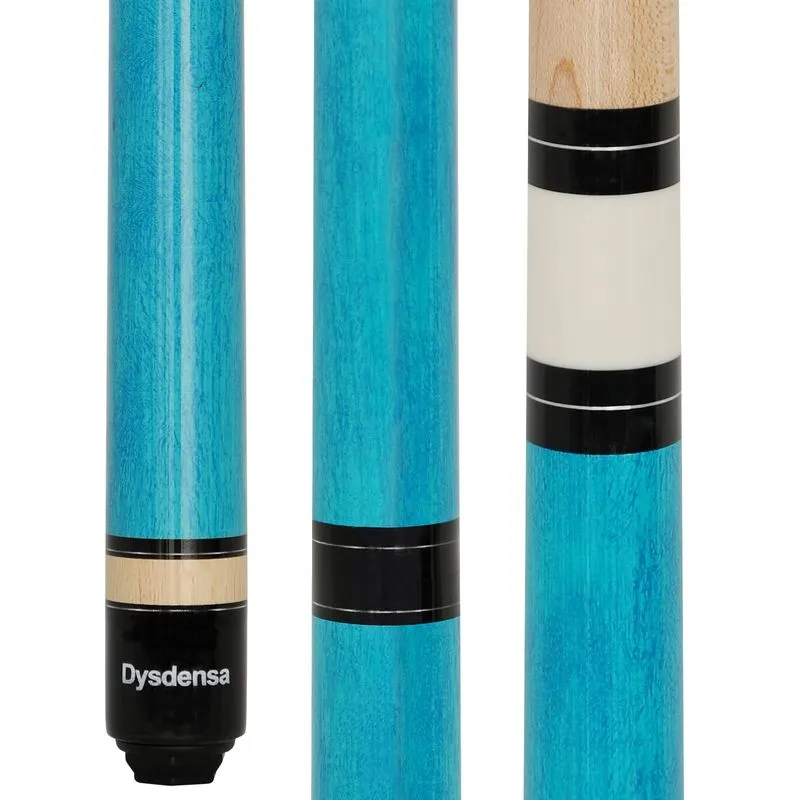
This cue is crafted from Canadian Maple Wood. The standout feature is the 3-piece configuration. You can use the full length for breaking or remove the bottom butt section to shorten the cue for jump shots. This flexibility is vital when you are in tight quarters or need a lighter feel for a close-range jump.
The weight sits between 24-25oz, which is on the heavier side. This extra mass helps generate momentum without you needing to swing wildly.
The Crystal Polymer Tip Advantage
Unlike the standard phenolic, Dysdensa uses a 14mm Crystal Polymer tip. This material is incredibly hard but offers a slightly different feedback feel than phenolic. It provides a distinct "pop" sound on contact. While the color options are limited, the performance for the price is hard to beat.
Does the RAGE Heavy Hitter Jump Break Cue Deliver Maximum Power?
Sometimes, finesse takes a backseat to raw power. The RAGE Heavy Hitter Jump Break Cue lives up to its name. If you prefer a heavy implement to do the work for you, this is the stick you want in your case.
Watch: RAGE Heavy Hitter Jump Break Cue 25oz
Why the RAGE Heavy Hitter Dominates on Power
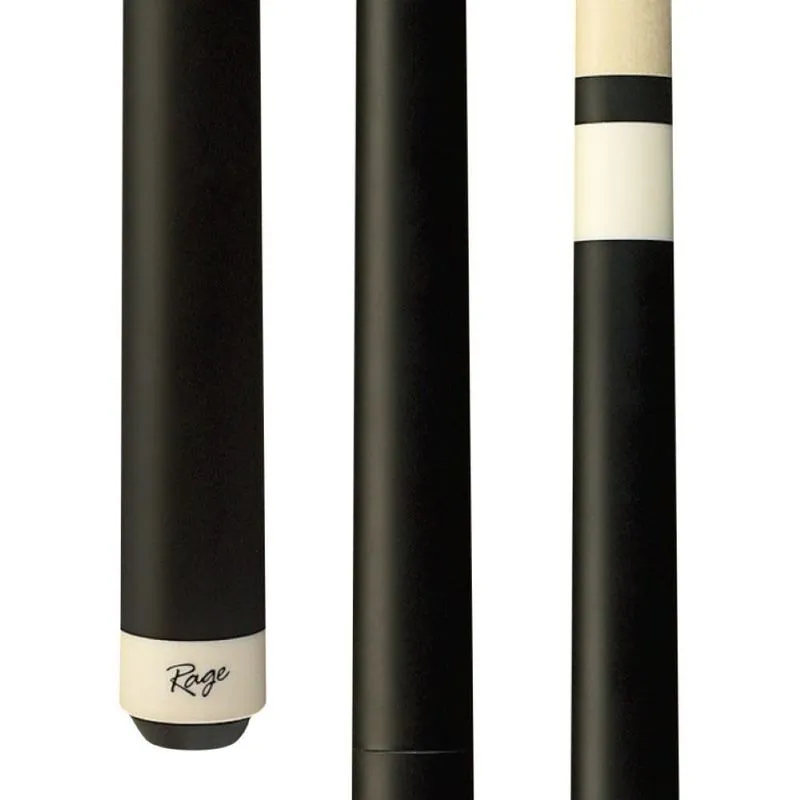
Built from 100% Hard Rock Maple, this cue is a tank. It weighs in at a solid 25oz. Most playing cues are around 19oz, so this is a significant step up. That extra weight translates to kinetic energy. You don't have to stroke as fast to get a massive reaction from the rack.
Durability and the Double Turbo Lock Joints
One of the biggest failure points in break/jump cues is the joint. The immense shock of a break can crack pins. RAGE addresses this with Double Turbo Lock joints. These are quick-release joints designed to withstand heavy shock.
What makes the 14mm Bakelite tip unique? expand_more
Bakelite is a thermosetting plastic that is incredibly dense. On this 14mm tip, it provides a massive surface area for contact. It is extremely durable and resistant to mushrooming, meaning you won't have to trim or shape it nearly as often as softer materials.
Technical Specifications: Banly 3K vs. Dysdensa vs. RAGE
| Feature | Banly 3K Carbon Fiber | Dysdensa 3-Piece | RAGE Heavy Hitter |
|---|---|---|---|
| Material | T700 Carbon Fiber | Canadian Maple Wood | 100% Hard Rock Maple |
| Tip Material | Phenolic | Crystal Polymer | Bakelite |
| Tip Size | 13mm | 14mm | 14mm |
| Weight | 20oz | 24-25oz | 25oz |
| Joint Style | Quick-release | Standard 3-Piece | Double Turbo Lock |
| Best For | Precision & Tech | Versatility & Value | Power & Durability |
The Anatomy of a Perfect Jump Shot
Ever wonder how the pros make that cue ball pop off the cloth like popcorn? It isn't magic; it is simple physics. To execute a jump shot, you have to drive the cue ball down into the slate. Since the heavy slate table won't budge, the energy rebounds upward, launching the ball into the air. It is all about the rebound force.
Why does a Standard Playing Cue fail at jumps?
Try this with your everyday playing cue, and you will likely just scoop the ball or hear a dull thud. Your playing cue is engineered for finesse and spin, not vertical impact. It features a flexible shaft and a soft leather tip designed to grip the ball.
When you strike down hard with a playing cue, the shaft bends and the tip compresses. This flexibility absorbs the shock rather than transferring it. You lose that critical downward energy, and the ball stays grounded.
How Specialized Jump Cues Fix the Problem
This is where a dedicated jump cue changes the game. These cues are built to be rigid bars of energy transfer. They utilize rock-hard phenolic tips that refuse to compress upon impact.
Jump cues are also significantly lighter than playing cues. This lack of weight allows you to generate the explosive arm speed needed for the strike. Instead of absorbing the hit, a stiff jump cue transfers 100% of that energy directly into the slate, forcing the ball to skyrocket over your opponent's blockers.
Buying Advice Checklist for Jump Cues
When selecting a jump cue, don't just look at the colors. You need to understand how the physics of the stick matches your stroke. Here is what I look for after 15 years on the felt.
1. Check the Tip Hardness You need a hard tip. Whether it is Phenolic (Banly), Crystal Polymer (Dysdensa), or Bakelite (RAGE), the goal is zero elasticity. If you can indent the tip with your fingernail, it is too soft for dedicated jumping.
2. Evaluate Weight Distribution Heavier cues like the RAGE (25oz) are easier for beginners because the mass moves the ball. Lighter cues like the Banly (20oz) require a faster stroke but offer more precision. If you have a slow arm, go heavy. If you have a snappy stroke, go light.
3. Material Stiffness Stiffness reduces energy loss. Carbon fiber is the gold standard here. It does not warp and provides consistent energy transfer. Maple is classic and effective but can warp over time if exposed to temperature changes.
4. Joint Efficiency Look for "Quick Release" or "Turbo Lock" joints. You do not want to spend 30 seconds unscrewing your cue in the middle of a match while your opponent stares you down. Speed matters.
What is the difference between a break cue and a jump cue? expand_more
A break cue is full length and heavy, designed to smash the rack. A jump cue is shorter and lighter, designed to be elevated to pop the ball over obstacles. The cues in this review are "Break/Jump" hybrids, which break down into smaller pieces to perform both functions.
Do I really need a jump cue? expand_more
If you play competitively, yes. While kicking at balls (banking off rails) is a valid escape strategy, jumping allows you to attack the object ball directly, often giving you a better chance at continuing your run.
Our Top Pick

Banly
Banly 3K Carbon Fiber Break Jump Cue - Black
While the RAGE offers incredible power and the Dysdensa provides unbeatable value, the Banly 3K Carbon Fiber takes the win. Its T700 carbon construction offers superior stiffness and consistency that will help both amateur and advanced players execute jumps with higher success rates.