Predator Revo 12.4mm: The Professional Performance Standard
Best For Low DeflectionWhen you walk into a tournament hall today, you see the Predator Revo everywhere. It has become the benchmark for what a carbon fiber shaft should be. I’ve spent countless hours with the Predator Revo 12.4mm Shaft. Its reputation for stiffness is well-earned.
The primary draw here is the sheer consistency. Maple shafts can warp or change density over time, affecting your aim. The Revo is effectively dead straight and stays that way. The 12.4mm diameter is the sweet spot for most serious players. It offers surface area for tip security while remaining thin enough for precise English.
Why the Predator Revo Dominates in Deflection Control
This shaft has the lowest deflection characteristics of almost any cue I've tested. Deflection, or "squirt," happens when you apply sidespin (English). The cue ball squirts away from the line of aim. Because the Revo is incredibly stiff and lacks a heavy ferrule, the end mass is minimal.When you strike with extreme English, the cue ball stays closer to your aiming line. This is a massive improvement over traditional maple shafts. It requires an adjustment period if you are used to compensating for high squirt. However, once you trust it, your potting percentage on spin shots usually climbs.
How does the "ferrule-less" construction of the Predator Revo affect hit quality?
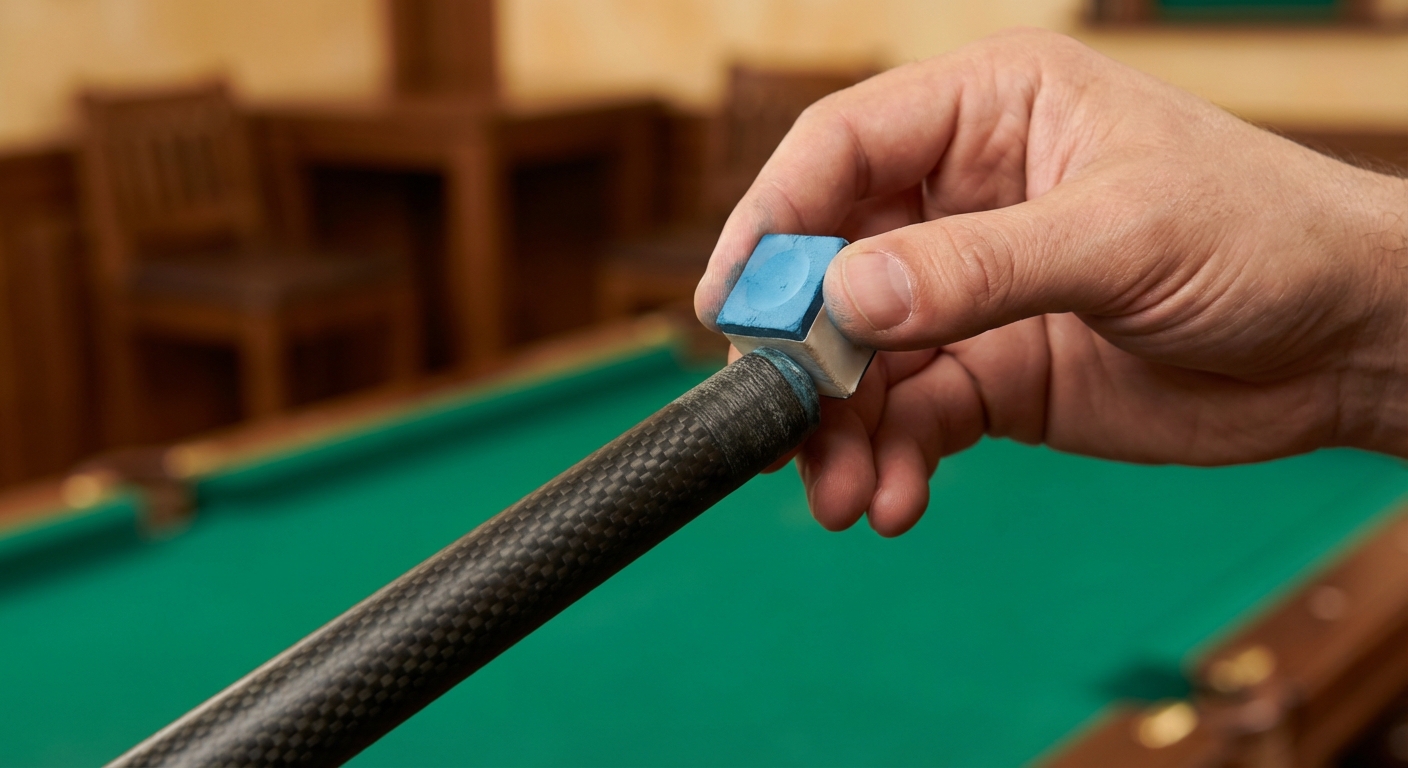
Most wood cues have a plastic or ivory ferrule to prevent the wood from splitting. The Predator Revo eliminates this, bringing the carbon fiber tubes directly to the tip silencer plate. This creates a very direct, distinct feedback. It hits hard. You feel the impact instantly in your grip hand, which is crucial for gauging speed control.Cuetec Cynergy CT-15K: The Best Value and Feel Option
Best For Wood-Like FeelIf the Predator Revo feels too "metallic" or stiff for you, the Cuetec Cynergy CT-15K is the logical alternative. This is the shaft championed by Shane Van Boening. It bridges the gap between traditional maple and modern composites better than anything else on the market.
Cuetec engineered this with a polyurethane foam core. This core dampens that high-pitched "tink" sound associated with carbon fiber. When you hit a ball with the Cuetec Cynergy, it sounds and feels remarkably like a high-end maple shaft. It retains the durability benefits of carbon.
The Advantage of the Cuetec Cynergy Super-Slim Taper
The taper rate on the Cuetec Cynergy is distinct. It features a 15.5-inch pro taper. This means the shaft stays the same diameter for over 15 inches back from the tip before it starts to widen.For players with a long bridge length or those who stroke deep through the ball, this is ideal. You won't feel the shaft get thicker in your bridge hand during the follow-through. It provides a very smooth, uninterrupted stroke action.
How does the Cuetec Cynergy price-to-performance ratio compare to competitors?
Carbon fiber is generally an investment. However, the Cuetec Cynergy usually comes in at a lower price point than the Revo. It offers comparable performance metrics regarding straightness and durability. You aren't sacrificing build quality; you are simply getting a different, slightly softer hit quality. Many players actually prefer this over the stiffer competition.J. Pechauer Rogue: Durability and Heavy Use
Best For CustomizationFor players who break hard or put their equipment through the wringer, the J. Pechauer Rogue stands out. Pechauer took a different route with their carbon construction. They use a high-strength carbon content combined with a specialized aramid fiber (similar to Kevlar).
This makes the J. Pechauer Rogue shaft incredibly durable. I have seen these shafts take abuse that would dent a wood shaft and crack other composites. The Rogue feels substantial in hand; it doesn't feel hollow. If you play a power game—lots of force follow shots or aggressive breaks—the Rogue absorbs that energy without vibration.
Customizing the Joint and Balance of the Pechauer Rogue
One issue with buying aftermarket shafts is matching the "joint face" to your current butt. Pechauer addresses this brilliantly. The J. Pechauer Rogue usually allows for interchangeable joint decks or specific ordering options. This ensures a flush fit with almost any cue butt, not just Pechauer brands.The balance point on the Rogue tends to sit slightly more forward than the Cuetec Cynergy. If you like a little more weight towards the tip to help drive through the cue ball, this shaft facilitates that naturally.
Predator Revo vs Cuetec Cynergy vs Pechauer Rogue: Technical Specs
To help you visualize the differences between the Predator options and others, here is the data based on stock configurations.
| Feature | |||
|---|---|---|---|
| Tip Diameter | 12.4mm | 12.5mm | 12.4mm / 12.8mm |
| Taper Style | Low-Rise Pro Taper | 15.5" Super-Slim | Slow-Rise Pro Taper |
| Stock Tip | Predator Victory (Soft) | Tiger Sniper (Soft) | Pechauer Gold (Med) |
| Hit Feel | Stiff, Crisp, Direct | Dampened, Wood-like | Solid, Heavy, Quiet |
| Sound | High-pitch "Tink" | Muted "Thud" | Muted "Thud" |
| Deflection | Ultra-Low | Low | Low-Medium |
| Ferrule | None (Vault Plate) | 0.25" White Sighting | White Sighting |
Buying Advice Checklist: Choosing Between Predator, Cuetec, and Pechauer Carbon Shafts
Making the switch to carbon fiber is a commitment. Before you drop the cash, run through this checklist to ensure you are getting the right tool for your specific game.
1. Check Your Joint Pin Size
2. Evaluate Your Deflection Tolerance If you currently play with a high-deflection house cue or an old solid maple shaft, the Predator Revo might feel "weird" at first. You will likely overcut balls because you are aiming for squirt that isn't there. Are you willing to spend 2-3 weeks retraining your aim? If not, the Pechauer Rogue might be a less drastic transition.
3. Surface Texture Preference This is often overlooked when choosing between Predator and Cuetec.
- Predator Revo: Very smooth, almost glossy. Can feel slippery.
- Cuetec Cynergy: Smooth but has a slightly different texture due to the resin finish.
- Pechauer Rogue: Often has a matte finish that provides a bit more friction.
4. The Sound Factor Do not underestimate how much sound affects your confidence. If the metallic "ping" sound of the Predator Revo annoys you, avoid it. Go for the Cuetec Cynergy. If you associate that sharp sound with power and precision, the Revo will make you feel like a beast on the table.
Why does the tip diameter matter for carbon fiber shafts like the Predator Revo? expand_more
With wood, you can turn a shaft down (sand it thinner) to suit your bridge. You cannot do this with carbon fiber. You must buy the diameter you want forever. A 12.4mm or 12.5mm is the modern standard. It offers forgiveness for potting while allowing for spin. 11.8mm options are strictly for advanced players.
Can I use sandpaper to clean my Cuetec Cynergy or Predator Revo shaft? expand_more
No, you should never use sandpaper or abrasive pads on carbon fiber shafts like the Revo or Cynergy. It will ruin the protective finish and potentially void your warranty. To maintain the smooth glide, simply wipe the shaft down with an isopropyl alcohol wipe or a soft cloth with water.
Our Top Pick
The Cuetec Cynergy offers an incredible value for players who want a traditional feel. The Pechauer Rogue is a beast for durability. However, the Predator Revo takes the crown. Its unparalleled low-deflection properties and stiff hit make it the ultimate tool. It is for serious players looking to minimize variables and maximize performance.